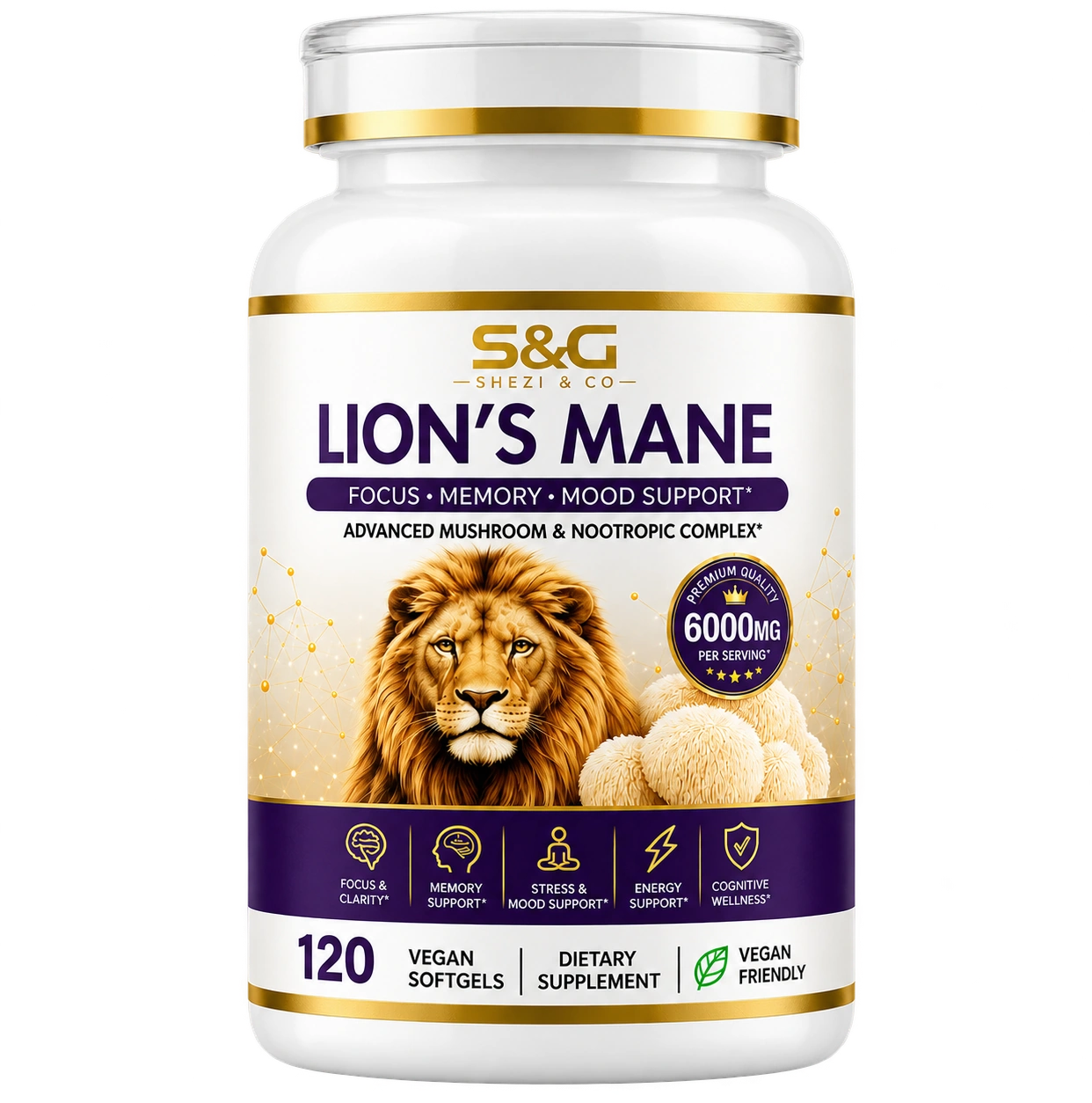
Lion’s Mane Mushroom
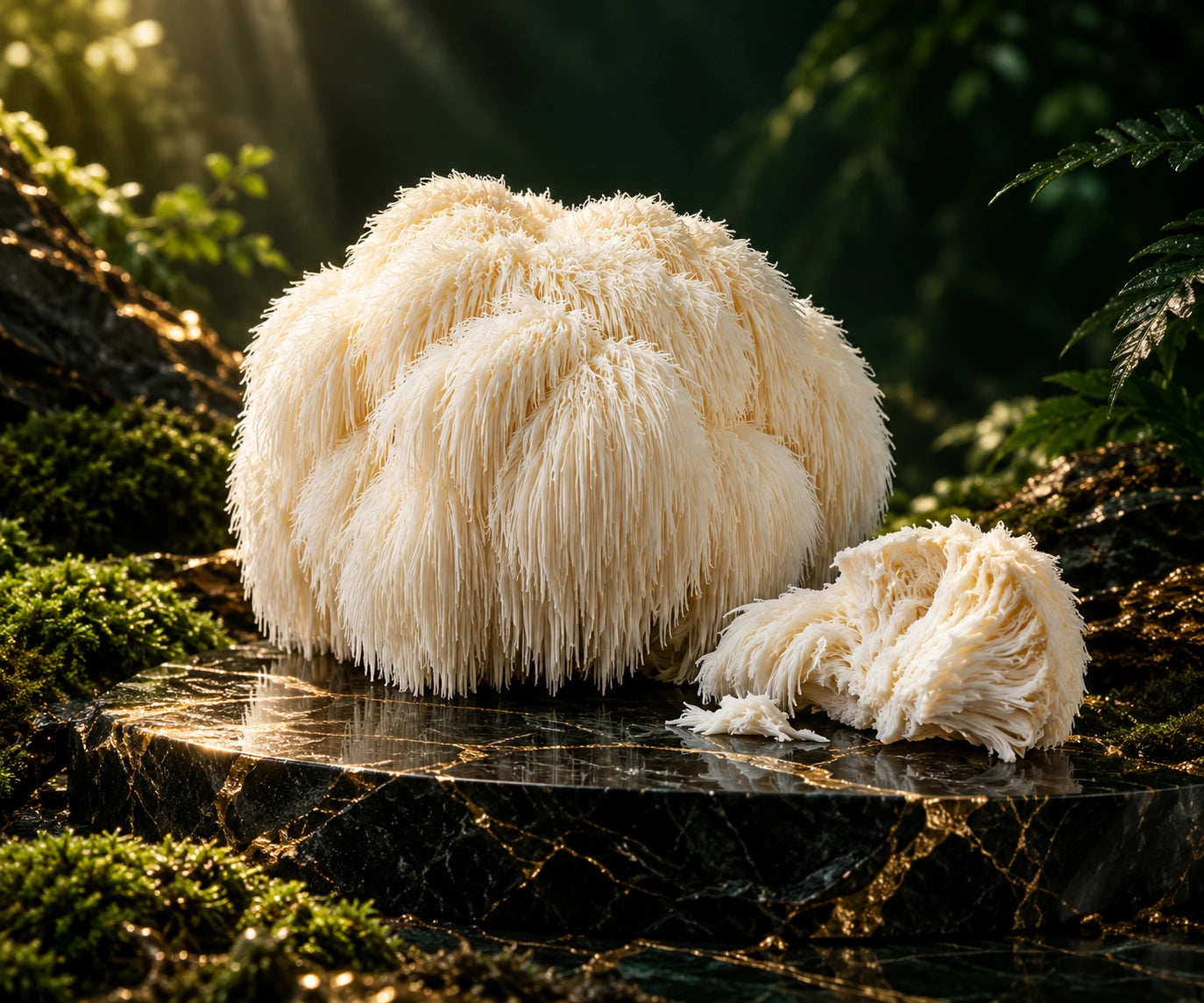
Hericium erinaceus. See the extract amount separately from the starting-material equivalent.
Explore formula
Discover the botanicals, nutrients and compounds in our formulas, with serving details made clear.
Explore all ingredientsKEY INGREDIENTS
Explore some of the key ingredients in our formulas and the information behind them.
View all ingredientsHericium erinaceus. See the extract amount separately from the starting-material equivalent.
Explore formula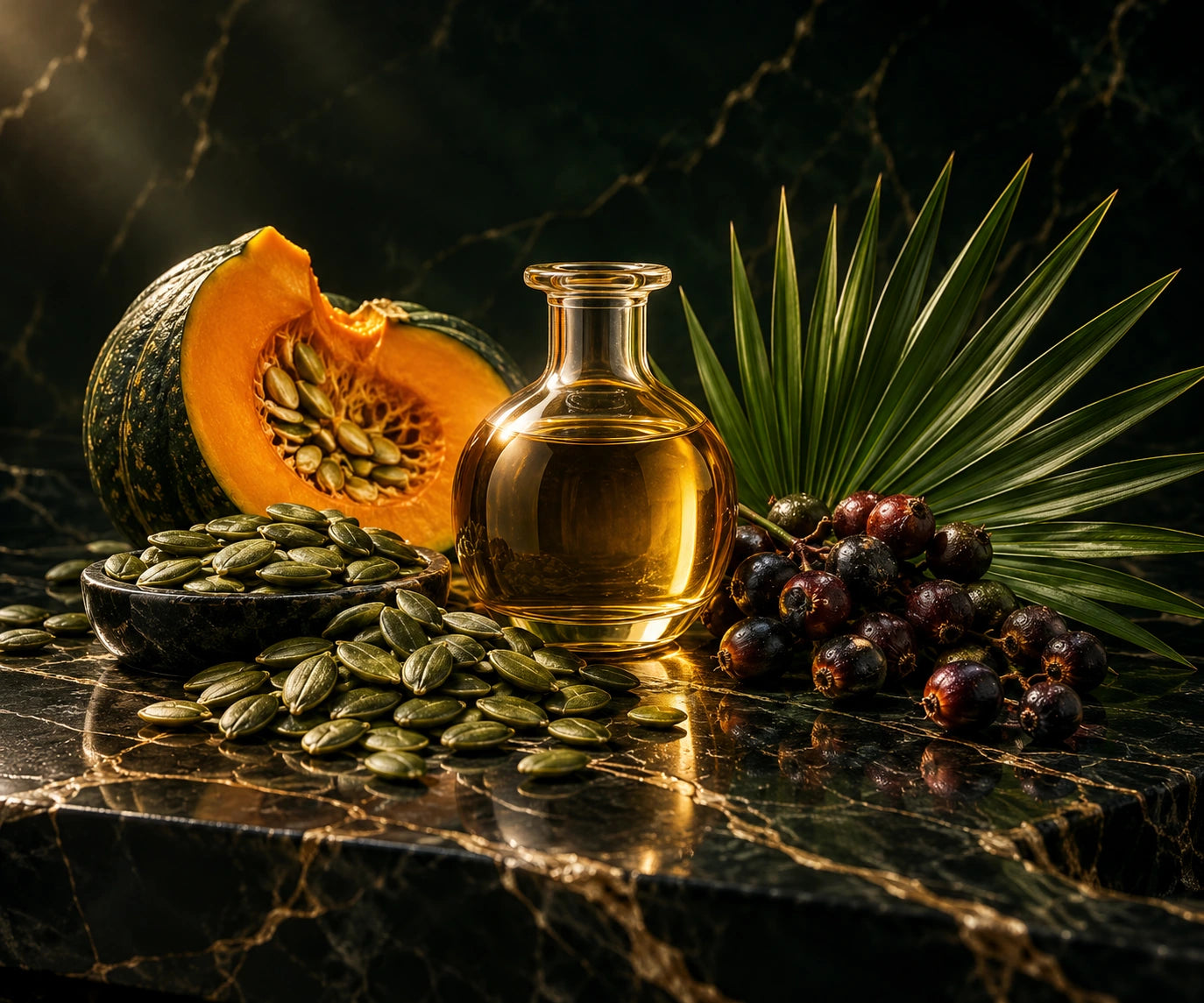
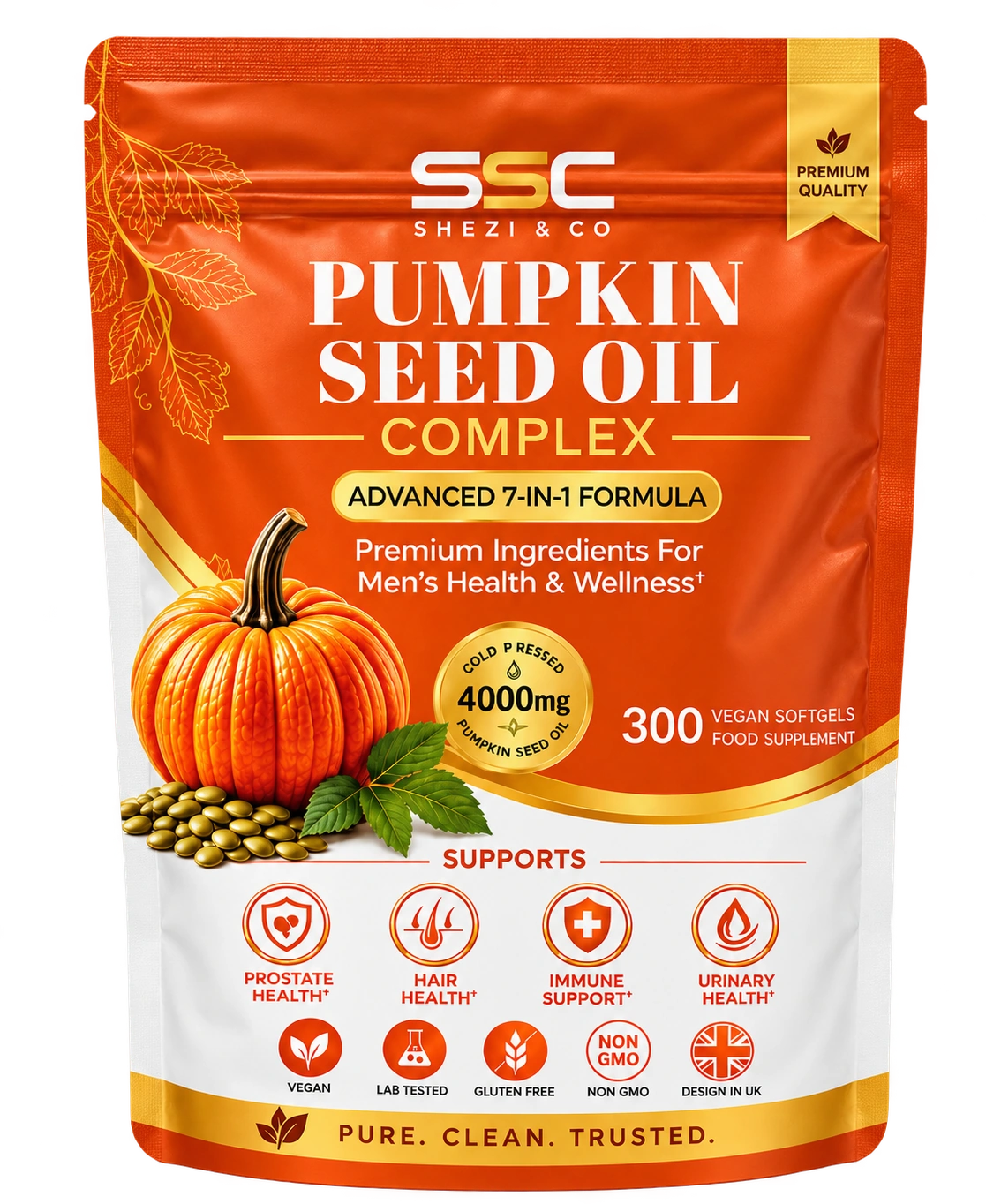
Discover pumpkin seed oil, oregano oil and black seed oil, with their own formats and serving amounts.
Explore formula
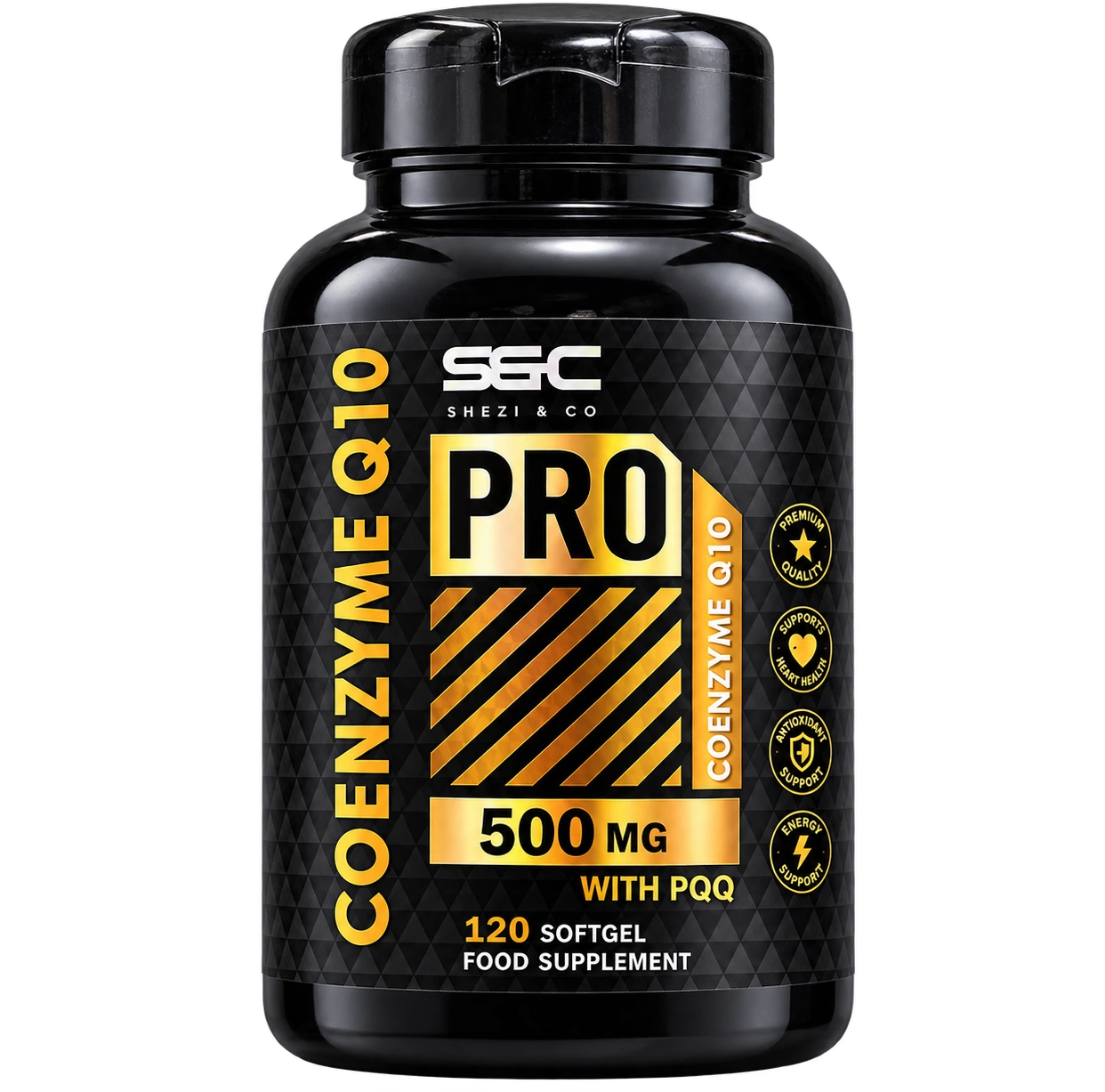
CoQ10 PRO contains ubiquinone alongside PQQ, omega-3s, sunflower lecithin and black pepper extract.
Explore formulaTHE COMPLETE INFORMATION
Choose a formula to see all its ingredient entries, amounts and explanations.
Hericium erinaceus is the mushroom named on this formula. Its extract amount and starting-material equivalent are different figures.
Also known as CDP-choline. This is a named ingredient in the Lion’s Mane formula, separate from the Choline bitartrate listed in Milk Thistle.
An extract of Withania somnifera. An extract amount is not the same as a whole-plant amount; no extract ratio is specified here.
A mineral listed in glycinate form. Read the amount per serving and do not confuse the mineral amount with the weight of the whole compound.
An amino acid listed at its own per-serving amount in the Lion’s Mane formula.
Listed as methylcobalamin. Vitamin B12 contributes to normal psychological function and the normal functioning of the nervous system.
A plant ingredient. The range uses different forms: powder or extract; standardisation is stated only where it appears on the label.
CoQ10 is coenzyme Q10. This formula lists the ubiquinone form, distinct from ubiquinol.
A group of fatty acids. This label states an amount but does not identify their source; do not assume fish-free or a particular EPA/DHA profile.
A sunflower-derived ingredient named in the blend. Full dietary and allergen suitability should still be checked.
Pyrroloquinoline quinone, abbreviated to PQQ. It is listed separately from CoQ10 at its own amount.
A plant ingredient. The range uses different forms: powder or extract; standardisation is stated only where it appears on the label.
The oil of pumpkin seeds, described on the label as cold pressed. Its amount is per 3-softgel serving.
A botanical extract, with 45% fatty acids stated on the label. The stated percentage is label information.
A plant sterol, listed separately from the oils and botanical extracts.
A carotenoid ingredient. The label gives its amount per serving, without specifying an extract source.
An essential mineral. Zinc contributes to the maintenance of normal hair and skin. The chemical form differs between the two formulas containing it.
Vitamin D in cholecalciferol form. Vitamin D contributes to the maintenance of normal bones and normal muscle function.
A plant ingredient. The range uses different forms: powder or extract; standardisation is stated only where it appears on the label.
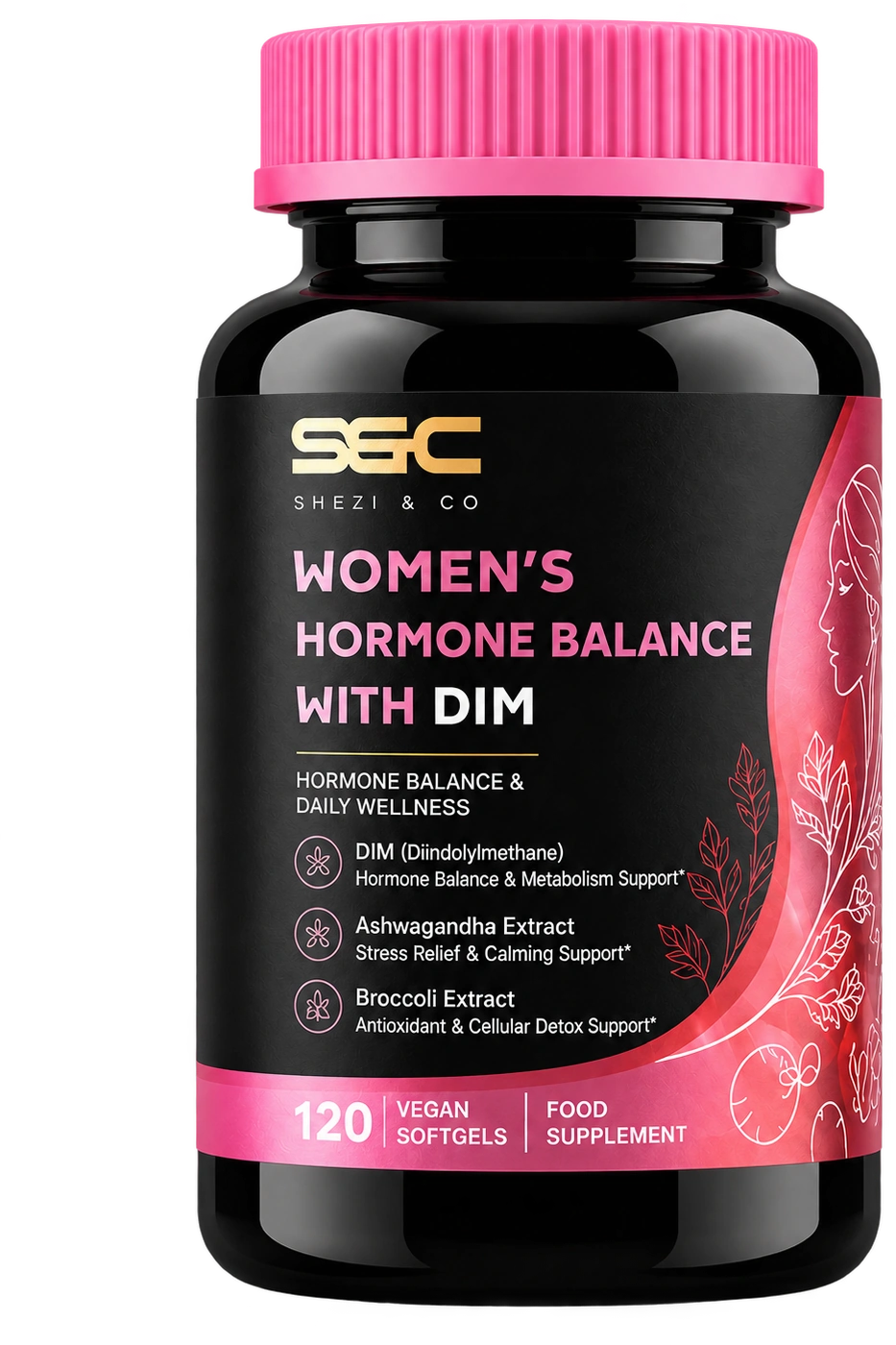
Diindolylmethane, abbreviated to DIM. It is a distinct ingredient from Indole-3-Carbinol.
Often abbreviated to I3C. It is listed separately from DIM and Broccoli Extract in this formula.
A botanical extract. The label’s amount, ratio and equivalent wording need clarification, so the original figures are preserved in the facts.
The ingredient name as printed on the label. Its precise botanical identity needs confirmation; it is not relabelled as another berry.
An extract of Withania somnifera. An extract amount is not the same as a whole-plant amount; no extract ratio is specified here.
A mineral listed in glycinate form. Read the amount per serving and do not confuse the mineral amount with the weight of the whole compound.
A plant extract named on the label. No extract ratio or standardisation is specified.
Vitamin D in cholecalciferol form. Vitamin D contributes to the maintenance of normal bones and normal muscle function.
Listed as Pyridoxine HCL. Vitamin B6 contributes to the regulation of hormonal activity.
Listed as methylcobalamin. Vitamin B12 contributes to normal psychological function and the normal functioning of the nervous system.
A plant ingredient. The range uses different forms: powder or extract; standardisation is stated only where it appears on the label.
Listed as Choline bitartrate. Its label amount is 12 mg; this site does not attribute a liver-function benefit to this formula.
An essential mineral. Zinc contributes to the maintenance of normal hair and skin. The chemical form differs between the two formulas containing it.
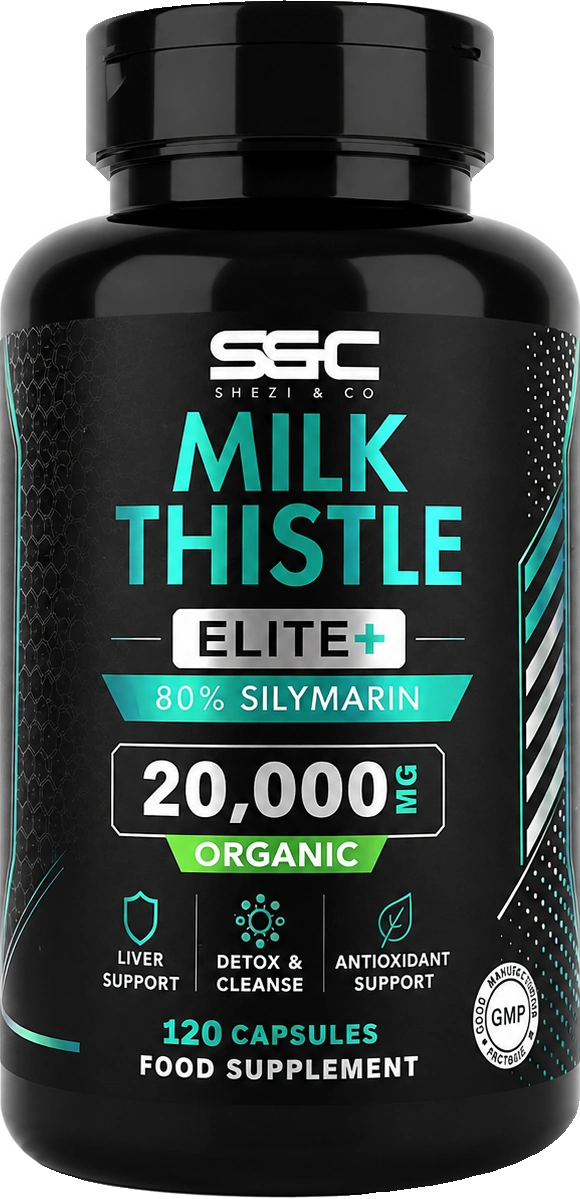
Silybum marianum seed extract. The label separates 400 mg of 50:1 extract from the 20,000 mg whole-seed equivalent.
A plant ingredient. The range uses different forms: powder or extract; standardisation is stated only where it appears on the label.
Taraxacum officinale root powder, with 50:1 extract wording on the label.
Curcuma longa root in Milk Thistle; Turmeric Oil in Oregano. Check the specific form and amount for each formula.
Cynara scolymus leaf powder, with 40:1 extract wording on the label.
Beta vulgaris root powder, with 40:1 extract wording on the label.
Arctium lappa root powder, with 40:1 extract wording on the label.
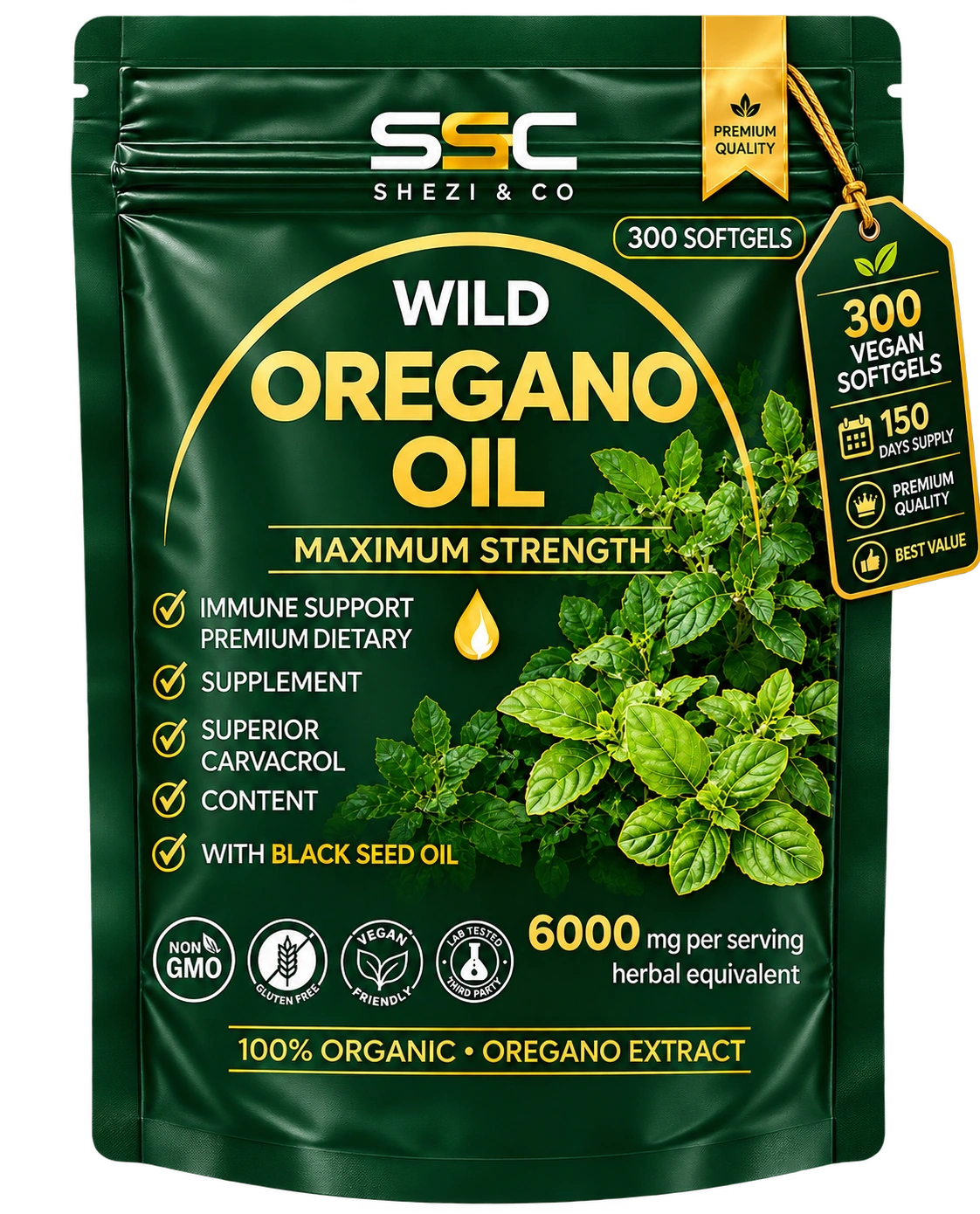
Origanum vulgare subsp. hirtum. The label names carvacrol standardisation and an extract ratio; the amount/equivalent wording needs clarification.
Cold-pressed Nigella sativa oil. The label specifies 2% thymoquinone.
A botanical extract with 20% oleuropein stated on the label.
Medium-chain triglyceride oil, described as cold-pressed organic MCT Oil on the label.
Curcuma longa root in Milk Thistle; Turmeric Oil in Oregano. Check the specific form and amount for each formula.
Ginger Root Oil, with 20% gingerols stated on the label.
A carotenoid listed as algae-sourced. 3 mg per softgel gives 6 mg per 2-softgel serving.
A plant ingredient. The range uses different forms: powder or extract; standardisation is stated only where it appears on the label.
Extract weight describes the amount of extract in a serving. A herbal equivalent describes the starting material it represents. Milk Thistle Elite lists 400 mg of 50:1 extract, equivalent to 20,000 mg whole seed powder. Compare the form, amount and serving together.
The label’s Oregano row shows 600 mg, while its equivalent wording refers to 300 mg of 20:1 extract and 6000 mg raw oregano. These figures need clarification. Both are shown as printed; do not use them as a like-for-like potency comparison.
Softgel, capsule and extract are different terms. Check the format, ingredients and directions on your product label.
Read ingredients and amounts, serving size, directions, suitability and warnings before use.